


-

Add: HeBei ShengShi HongBang Cellulose Technology CO.,LTD.
-

Email
13180486930@163.com -

CONTACT US
+86 13180486930



Introduction to Polypropylene Fiber in Modern Engineering In the demanding landscape of modern industrial applications, the selection of advanced materials is paramount for achieving superior performance, extended service life, and cost-efficiency. Among these, polypropylene fiber stands out as a versatile and high-performance synthetic material, revolutionizing sectors from construction and infrastructure to textiles and geo-synthetics. Engineered for durability and resilience, these fibers offer a compelling solution for reinforcing matrices, improving material properties, and addressing complex engineering challenges. This comprehensive overview delves into the technical intricacies, application benefits, and strategic considerations surrounding its adoption. Industry Trends and Market Dynamics The market for polypropylene fiber is experiencing robust growth, driven by increasing global infrastructure development, a strong emphasis on sustainable construction practices, and the continuous innovation in material science. Key trends indicate a rising demand for high-strength, lightweight, and chemically resistant reinforcement solutions. The construction industry, in particular, is a significant driver, with an escalating need for crack control in concrete, enhanced ductility, and improved impact resistance in pavements, tunnels, and precast elements. Sustainable Solutions: Growing preference for materials that reduce concrete consumption or extend the service life of structures, aligning with environmental goals. Advanced Concrete Formulations: Integration of pp fiber concrete in specialized mixes for enhanced performance, such as ultra-high-performance concrete (UHPC) and self-compacting concrete (SCC). Geosynthetics Expansion: Increased use of polypropylene fibre in geo-textiles and geo-grids for soil stabilization, erosion control, and drainage applications. Asphalt Reinforcement: Emerging applications in asphalt mixtures to reduce rutting and cracking in road infrastructure. These trends underscore the critical role of polypropylene fiber as an indispensable component in the development of resilient and long-lasting engineering solutions, offering a cost-effective alternative to traditional reinforcement methods. Manufacturing Process of Polypropylene Fiber The production of polypropylene fiber is a sophisticated industrial process involving several key stages, ensuring the final product meets stringent performance specifications. Unlike casting or forging, which are typical for metals, fiber production primarily relies on polymer extrusion and mechanical stretching. Process Flow: Polymerization: High-purity propylene monomers are polymerized using Ziegler-Natta catalysts to produce isotactic polypropylene resin. This granular resin serves as the primary raw material. Melt Extrusion (Spinning): The polypropylene resin is melted and extruded through a spinneret – a die with numerous fine holes – under precise temperature and pressure control. This forms continuous filaments (multi-filament yarn) or sheets, depending on the desired fiber type (e.g., monofilament, fibrillated, mesh). Cooling and Solidification: The extruded filaments are rapidly cooled, typically by air, to solidify them into an amorphous or semi-crystalline state. Drawing/Stretching: The cooled filaments are then stretched or drawn through a series of heated rollers. This process, known as orientation, aligns the polymer molecules along the fiber axis, significantly increasing tensile strength, modulus, and reducing elongation. The draw ratio is a critical parameter determining the fiber's mechanical properties. Texturizing/Fibrillation (Optional): For certain applications, fibers may undergo texturizing (crimping) to enhance bulk and elasticity, or fibrillation (mechanical splitting) to create a net-like structure, as seen in pp fiber for concrete reinforcement. Finishing, Cutting, and Packaging: The fibers are treated with lubricants or anti-static agents, then cut to precise lengths (e.g., 6mm, 12mm, 19mm) and packaged for various industrial uses. Testing Standards: Quality control is rigorous, with products adhering to international standards such as ISO 9001 for quality management, ASTM D7357 for fiber-reinforced concrete, and various national standards (e.g., EN, BS, ANSI) for specific applications. Each batch undergoes comprehensive testing for length, diameter, tensile strength, and dispersion characteristics. Service Life: Polypropylene, being inherently resistant to many chemicals and environmental factors, offers an excellent service life, often matching or exceeding the design life of the structures it reinforces, typically 50+ years when properly integrated. Technical Specifications and Parameters Understanding the precise technical parameters of polypropylene fiber is crucial for optimal selection and application. Different fiber types (monofilament, fibrillated, mesh) offer distinct mechanical properties tailored to specific performance requirements. Typical Product Specification Table: Polypropylene Fibers for Concrete Reinforcement Parameter Monofilament PP Fiber Fibrillated Mesh PP Fiber Polypropylene Macrofiber Material 100% Virgin Polypropylene 100% Virgin Polypropylene 100% Virgin Polypropylene Fiber Type Monofilament Fibrillated Network Embossed Macrofiber Length (mm) 6, 9, 12, 19 6, 9, 12, 19 38, 50, 54 Equivalent Diameter (µm) 18-40 20-50 (equivalent) 600-1000 Tensile Strength (MPa) ≥ 400 ≥ 400 ≥ 550 Elastic Modulus (GPa) ≥ 3.5 ≥ 3.5 ≥ 6.0 Melting Point (°C) 160-170 160-170 160-170 Density (g/cm³) 0.90-0.91 0.90-0.91 0.90-0.91 Alkali Resistance Excellent Excellent Excellent These specifications highlight the inherent strength and chemical inertness of polypropylene fiber , making it suitable for demanding environments where corrosion and degradation are concerns. Application Scenarios and Technical Advantages The versatility of polypropylene fiber allows its integration across a multitude of industries, providing distinct technical advantages that enhance product performance and longevity. Target Industries: Construction & Infrastructure: Roads, bridges, tunnels, industrial flooring, precast concrete, shotcrete, marine structures. Petrochemical: Reinforcement for chemical storage tanks, non-corrosive linings. Metallurgy: Specific uses in non-ferrous metal processing facilities requiring chemical resistance. Water Supply & Drainage: Pipes, culverts, wastewater treatment plants. Textiles & Non-Wovens: Filtration media, geo-textiles, automotive components. Advantages in Typical Application Scenarios: Crack Control in Concrete: Microfiber synthetic pp fiber significantly reduces plastic shrinkage cracking and drying shrinkage cracking in concrete by providing a dense, three-dimensional network. This enhances the concrete's intrinsic tensile strength, distributing internal stresses more effectively. Enhanced Impact and Abrasion Resistance: The presence of polypropylene fiber improves the concrete's toughness and energy absorption capacity, making it more resistant to impact, abrasion, and spalling. This is particularly beneficial for industrial floors and pavement surfaces subjected to heavy traffic or wear. Corrosion Resistance: Unlike metallic reinforcements, polypropylene fiber is chemically inert and completely resistant to corrosion from acids, alkalis, and salts. This makes it ideal for harsh chemical environments, marine applications, and structures where steel corrosion is a primary concern for long-term durability. Improved Freeze-Thaw Durability: By reducing permeability and providing micro-crack control, pp fiber enhances the concrete's resistance to freeze-thaw cycles, a critical factor in cold climates. Energy Saving (Indirect): In construction, the use of polypropylene fiber can lead to reduced maintenance and repair frequency for structures, contributing to long-term energy and resource savings over the lifecycle of the infrastructure. Its lightweight nature can also reduce transportation energy for composite materials. Fire Resistance (Spalling Reduction): While polypropylene itself melts at high temperatures, its inclusion in concrete can create channels that allow steam pressure to escape during a fire, effectively reducing explosive spalling and maintaining structural integrity longer. Comparative Analysis: Polypropylene Fiber vs. Traditional Reinforcements To fully appreciate the value proposition of polypropylene fiber , it's essential to compare its performance and advantages against traditional reinforcement materials. While it doesn't entirely replace steel rebar for structural load-bearing, it excels in specific applications, particularly for non-structural crack control and enhanced durability. Reinforcement Material Comparison Feature Polypropylene Fiber Steel Fibers Glass Fibers (AR-Glass) Primary Function Plastic shrinkage crack control, impact resistance, durability Post-cracking ductility, structural reinforcement, impact resistance Alkali resistance, crack control, fire resistance Corrosion Resistance Excellent (chemically inert) Poor (susceptible to rust) Good (Alkali Resistant glass) Density (g/cm³) 0.91 (very low) 7.85 (high) 2.68 (medium) Cost Effectiveness High (low dosage, easy mixing) Medium to High (dosage dependent) Medium to High (specialized) Mixing & Handling Excellent dispersion, no balling Can be challenging, requires proper mixing Good dispersion Magnetic Interference None (non-conductive) High (ferromagnetic) None Spalling Resistance (Fire) Excellent (melts, creating channels) Poor (can exacerbate spalling) Good This comparison highlights that while steel fibers offer superior post-cracking load-carrying capacity, polypropylene fiber provides critical early-age crack control, long-term durability against corrosion, and enhanced performance in specific environmental conditions. It often serves as an excellent complementary reinforcement, or in some cases, a standalone solution where corrosion resistance and micro-crack control are paramount. Customized Solutions and Vendor Capabilities Recognizing that every project presents unique challenges, leading manufacturers offer customized polypropylene fiber solutions designed to meet precise technical requirements. This bespoke approach ensures optimal performance and cost-effectiveness for specialized applications. Key Customization Options: Fiber Length & Diameter: Tailoring the fiber aspect ratio (length to diameter) to suit specific mix designs and application needs, from ultra-fine microfiber synthetic options for thin overlays to longer macrofibers for heavy-duty industrial floors. Surface Treatment: Applying specific coatings or treatments to fibers to enhance bond strength with the matrix (e.g., concrete), improve dispersion, or provide additional chemical resistance. Additive Integration: Incorporating UV stabilizers, flame retardants, or anti-microbial agents directly into the polymer during extrusion to impart additional properties for specialized environments. Fiber Configuration: Producing monofilament, fibrillated, or engineered mesh structures to optimize performance for crack control, impact resistance, or specific filtration properties. Packaging: Custom packaging solutions, including specific bag sizes, dissolved bags for easy addition, or bulk packaging for large-scale operations, to streamline site logistics. Our company specializes in collaborating with clients to develop tailored polypropylene fiber solutions, leveraging extensive R&D capabilities and production flexibility. With over 15 years of experience in the industry, we provide expert consultation from concept to deployment, ensuring that the chosen fiber variant integrates seamlessly into your project's technical specifications and operational workflows. Application Case Studies Real-world applications demonstrate the tangible benefits of integrating polypropylene fiber into diverse engineering projects. These case studies highlight enhanced performance, cost savings, and extended service life. Case Study 1: Industrial Warehouse Flooring Challenge: A large logistics warehouse required a durable concrete floor highly resistant to cracking from heavy forklift traffic and impact loads, with minimal maintenance. Solution: The concrete mix was reinforced with fibrillated pp fiber at a dosage of 0.9 kg/m³. This provided superior plastic shrinkage crack control and enhanced abrasion resistance. Result: After five years of continuous operation, the floor exhibits significantly fewer surface cracks compared to conventional concrete floors, leading to reduced repair costs and improved operational efficiency. Customer feedback noted exceptional resistance to surface spalling and a smooth finish. Case Study 2: Concrete Pavement in Arid Climates Challenge: Pavement construction in an arid region faced rapid drying and high potential for early-age cracking, impacting structural integrity and aesthetics. Solution: Monofilament polypropylene fiber (12mm, 0.6 kg/m³) was incorporated into the concrete mix for a major roadway. Result: The fibers effectively minimized plastic shrinkage cracks, improving the overall integrity and appearance of the pavement. The project achieved its durability targets, demonstrating excellent performance against temperature fluctuations characteristic of arid environments. Case Study 3: Tunnel Lining Shotcrete Challenge: A new tunnel project required a shotcrete lining that offered excellent early-age strength, reduced rebound, and enhanced resistance to spalling under potential fire scenarios. Solution: A blend of polypropylene fiber and steel fibers was used in the shotcrete. The pp fiber (19mm, 0.9 kg/m³) was specifically chosen for its ability to mitigate plastic shrinkage and improve fire resistance. Result: The combined fiber reinforcement provided a robust, ductile shotcrete layer with significantly reduced rebound during application. Crucially, tests indicated a substantial improvement in spalling resistance, critical for tunnel safety protocols. Quality Assurance and Certifications Our commitment to excellence is underpinned by stringent quality assurance protocols and adherence to international standards, ensuring that every batch of polypropylene fiber delivered meets the highest performance criteria. Certifications and Standards: ISO 9001: Certified for Quality Management Systems, ensuring consistent product quality and customer satisfaction. CE Mark: Products comply with European health, safety, and environmental protection standards. ASTM & EN Standards: Fibers are manufactured and tested in accordance with relevant ASTM (e.g., ASTM C1116) and European Norm (EN) standards for fiber-reinforced concrete and specific material properties. In-house Laboratory Testing: Each production run undergoes rigorous testing for key parameters such as tensile strength, elongation, length, density, and dispersion capabilities, utilizing state-of-the-art analytical equipment. Our long-standing partnerships with industry leaders and governmental bodies are a testament to our reliability and product quality. We are proud to be a trusted supplier for critical infrastructure projects and advanced material applications globally, with a track record spanning over a decade of continuous service and innovation in polypropylene fiber technology. Trustworthiness and Customer Support Building strong, trustworthy relationships with our B2B clients is paramount. We back our premium polypropylene fiber products with comprehensive support and transparent operational policies. Frequently Asked Questions (FAQ): Q: What is the optimal dosage for polypropylene fiber in concrete? A: Dosage varies based on fiber type, application, and desired performance. For basic crack control, dosages typically range from 0.6 kg/m³ to 0.9 kg/m³. For enhanced performance or macrofibers, it can be higher. We recommend consulting our technical specialists for project-specific recommendations. Q: Can polypropylene fiber replace steel rebar? A: Micro pp fiber (like monofilament or fibrillated) is primarily for non-structural crack control and durability enhancement, not for replacing structural steel rebar. Macro pp fiber can potentially replace some wire mesh or light steel reinforcement in specific applications, subject to engineering design and local codes. Q: Is polypropylene fiber environmentally friendly? A: Polypropylene is a thermoplastic polymer that can be recycled. Its use can reduce concrete consumption and extend the life of structures, contributing to overall sustainability. Q: How does pp fiber affect concrete workability? A: At recommended dosages, polypropylene fiber has minimal impact on concrete workability. Proper mixing procedures ensure excellent dispersion without balling or segregation. Lead Time and Fulfillment: We maintain efficient production and logistics to ensure timely delivery. Standard orders typically have a lead time of 7-14 business days, depending on volume and customization. For urgent or large-scale projects, expedited options are available. Our global distribution network ensures reliable fulfillment worldwide. Warranty Commitments: All our polypropylene fiber products are supplied with a manufacturer's warranty, guaranteeing conformance to published technical specifications and freedom from material or manufacturing defects. Specific warranty details are provided with each order. Customer Support Information: Our dedicated technical support team is available to assist with product selection, application guidance, and troubleshooting. You can reach us via phone, email, or through our website contact form. We are committed to providing prompt and expert assistance to ensure your project's success. Conclusion Polypropylene fiber represents a pinnacle in advanced material engineering, offering unparalleled benefits in terms of crack control, durability, chemical resistance, and cost-efficiency across a diverse range of B2B applications. From enhancing the longevity of industrial concrete floors to improving the resilience of critical infrastructure, its technical advantages are clear and scientifically validated. By choosing high-quality pp fiber , specifiers and engineers can significantly elevate project performance, reduce maintenance cycles, and achieve sustainable construction goals. Partner with an experienced vendor to unlock the full potential of customized fiber reinforcement solutions for your next demanding project. References ACI Committee 544. (2009). State-of-the-Art Report on Fiber-Reinforced Concrete (ACI 544.1R-09). American Concrete Institute. ASTM International. (2013). ASTM C1116 / C1116M - 06(2013) Standard Specification for Fiber-Reinforced Concrete. ASTM International, West Conshohocken, PA. Bentur, A., & Mindess, S. (1990). Fibre Reinforced Cementitious Composites. Elsevier Applied Science. Wang, X., & Lee, C. (2006). Study on Mechanical Properties of Polypropylene Fiber Reinforced Concrete. Construction and Building Materials, 20(8), 580-587. fib Bulletin 57. (2010). Design of fibre-reinforced concrete structures. International Federation for Structural Concrete (fib).
- 40000tons

Production
- 20+years

Experience
- 5000+㎡

Acreage

-
The Cost of Polypropylene Fiber An Overview Polypropylene fiber, derived from the polymerization of propylene monomers, is a synthetic material that has been gaining traction in various industries due to its unique properties and cost-effectiveness. As the demand for durable and versatile materials rises, so does interest in understanding the cost implications associated with polypropylene fiber. This article aims to explore the factors affecting the cost of polypropylene fiber, its applications, and its overall economic impact. Understanding Polypropylene Fiber Polypropylene is one of the most widely used plastics in the world. It is recognized for its lightweight nature, chemical resistance, moisture-wicking capabilities, and structural durability. These characteristics make it an excellent choice for a variety of applications, including textiles, automotive components, and packaging materials. The resulting fiber is soft, resistant to staining, and can be produced in a variety of colors, further enhancing its usability in consumer products. Factors Influencing the Cost 1. Raw Material Prices The primary factor determining the cost of polypropylene fiber is the price of propylene, the primary raw material used in its production. Fluctuations in oil prices significantly impact the cost of propylene, as it is derived from fossil fuels. As global oil prices rise or fall, so too does the cost of polypropylene fiber. 2. Production Technology The method of production also affects costs. Advances in manufacturing technologies can streamline production processes and reduce costs. For instance, the implementation of more efficient machinery or environmentally friendly production methods can yield lower operational costs, which may be passed on to consumers. 3. Supply and Demand Like any commodity, the cost of polypropylene fiber is subject to the laws of supply and demand. In periods of high demand—such as during the surge in production of protective equipment during the COVID-19 pandemic—prices may increase sharply. Conversely, surplus production or a decline in demand can lead to lower prices. costo de fibra de polipropileno 4. Geopolitical Factors Political stability in oil-producing regions can affect the supply and price of propylene. Trade tariffs, sanctions, or conflicts can disrupt supply chains, leading to increased material costs, which in turn influence the cost of polypropylene fiber. 5. Market Competition The competitiveness of the polypropylene market also plays a vital role. The entry of new suppliers can drive prices down, while monopolistic conditions can lead to higher prices. The global nature of the fiber market means that competition from manufacturers in different regions can also affect local pricing. Applications of Polypropylene Fiber The versatility of polypropylene fiber allows for its use in numerous applications. In the textile industry, it is common in the production of carpets, upholstery, and outdoor fabrics due to its resistance to moisture and mildew. The automotive sector utilizes polypropylene fiber for interior components, as it is lightweight and aids in fuel efficiency. Furthermore, polypropylene fibers are utilized in geotextiles for soil stabilization, erosion control, and drainage systems. Economic Impact The economic implications of polypropylene fiber production extend beyond its cost. It supports a range of industries, creating jobs and stimulating economic growth. As manufacturers adapt to changing market dynamics and consumer preferences, innovative uses for polypropylene fiber continue to emerge, driving further demand. In conclusion, the cost of polypropylene fiber is influenced by a variety of factors including raw material prices, production technology, supply and demand dynamics, geopolitical conditions, and market competition. Its diverse applications and economic implications make it a significant player in the manufacturing landscape. As industries continue to seek sustainable and efficient materials, understanding these cost dynamics will be crucial for businesses and consumers alike in making informed decisions. The future of polypropylene fiber is undoubtedly tied to evolving market conditions and technological advancements, promising ongoing relevance in a rapidly changing world.
-

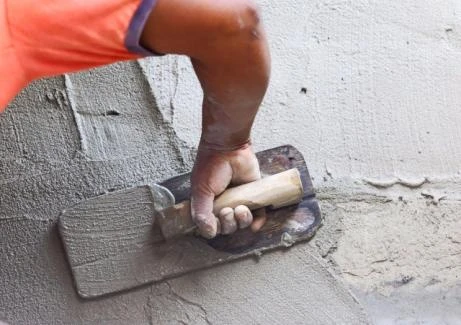
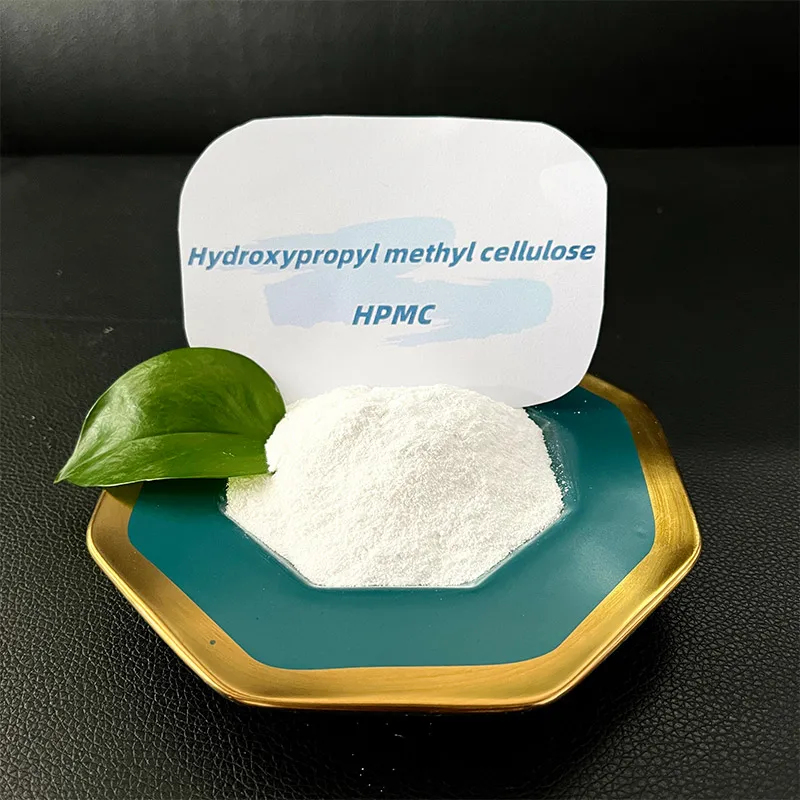
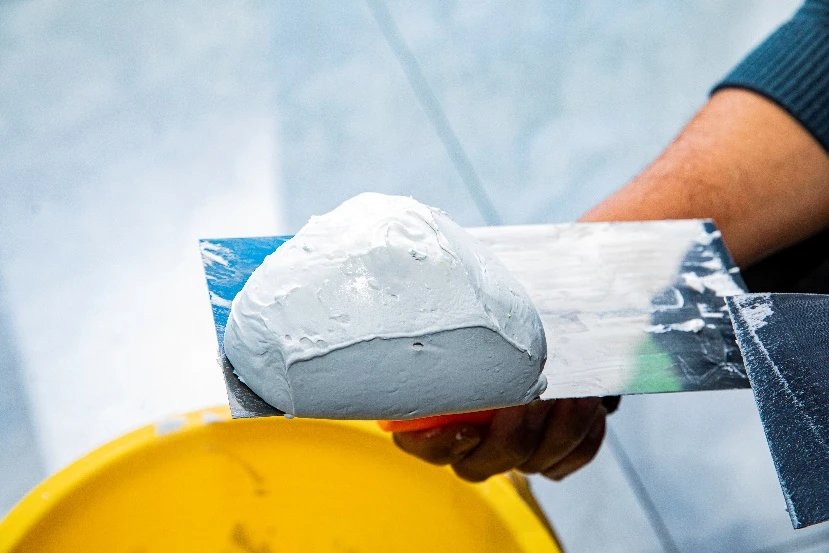
Utilizing Hydroxypropyl Methylcellulose (HPMC) in Skim Coats Expert Insights Hydroxypropyl Methylcellulose (HPMC) has emerged as a vital component in the construction industry, particularly in the formulation of skim coats. Its application not only enhances the overall quality of the finish but also optimizes the working conditions for contractors. As an expert delves into the nuanced benefits of HPMC for skim coats, it becomes evident that it is an indispensable material fostering exceptional results, grounded in its scientific properties and practical application. When it comes to producing a smooth, durable skim coat, understanding the precise role of HPMC is critical. Serving as a thickener, binder, film-former, and water retention agent, HPMC fortifies the coat, ensuring its consistent texture and durability. Its ability to improve the workability of the plaster or stucco by controlling its viscosity places it in high regard among applicators aiming for precision and ease of application. In practical settings, the water retention capacity of HPMC allows for extended working times which becomes crucial in high-temperature or low-humidity environments. This property not only ensures that the coat does not set too quickly, allowing for leisurely manipulations and adjustments but also aids in preventing cracks that might occur due to rapid evaporation of water from the mix. The excellent tensile strength provided by HPMC ensures that the final set coat is not only visually appealing but also robust in structure. Another valuable contribution of HPMC to skim coats lies in its adhesive properties . By improving the adhesion between the skim coat and its substrate, HPMC helps in minimizing detachment risks and ensures the longevity of the finish. This adhesive enhancement is vital for large-scale projects where the structural integrity of the coat is non-negotiable. hpmc for skim coat Technical expertise underscores the versatility of HPMC in adjusting setting times. By tailoring the quantity of HPMC in the mixture, professionals can manage setting and curing times to align with specific environmental conditions and project schedules. This adaptability underscores HPMC's critical role in mitigating project risks associated with weather-induced delays or imperfections. Moreover, incorporating HPMC optimizes the surface activity of skim coats, contributing significantly to enhanced stain resistance and finishing quality. Its ability to form an evenly distributed film over surfaces ensures that the final finish can resist external contaminants, providing a cleaner and more resilient surface. The authoritative endorsement of HPMC for use in skim coats is well-established through scientific research and real-world applications. Industry experts consistently rely on HPMC due to its proven, reliable performance and economic feasibility. As a scientifically backed additive, it garners trust not only from contractors and builders but also from environmental scientists for its non-toxic nature and biodegradability. This eco-friendly profile of HPMC solidifies its standing as a sustainable choice in modern construction practices. Increasingly, the construction industry values such sustainable practices, and HPMC's profile aligns well with green building standards, making it an ideal choice for contemporary projects. As building practices evolve towards more sustainable and environmentally friendly methods, materials such as HPMC gain prominence for aligning with these future-forward standards and regulations. In conclusion, the utilization of HPMC in skim coat formulations brings substantial technically and environmentally grounded improvements, enhancing the quality and lifespan of the coat. Its robust physical properties foster reliability and adaptability crucial for modern building demands. As the construction sector continues to lean into these multi-benefit materials, industry experts can confidently assert that HPMC not only meets but surpasses current standards for enhancing construction material performance. Its established efficacy, coupled with environmental compatibility, presents HPMC as a trusted choice for skim coat applications.
advantages
-

200000 Viscosities
Excellent product
We can produce pure products up to 200,000 viscosities
-

40000 tons
High yield
We don’t stop production all year round, and the annual output can reach 40,000 tons
-

24 hours
Quality service
We provide 24-hours online reception service, welcome to consult at any time
———— Inquiry Form
Schedule A services
-
 isolation_en_cellulose_de_bois
Oct . 25, 2025
In the world of construction and renovation, the search for the perfect plaster retarder has led man -
 insulation_kuni_selulosi
Oct . 25, 2025
Hydroxymethyl cellulose , often encountered in its more prevalent derivative form hydroxypropyl meth -
 hpmc_side_effects
Oct . 25, 2025
The Importance of Wood Cellulose in Modern Applications Wood cellulose, an organic compound derived


